





















Mario Tennis Fever Review
The deuce is loose.
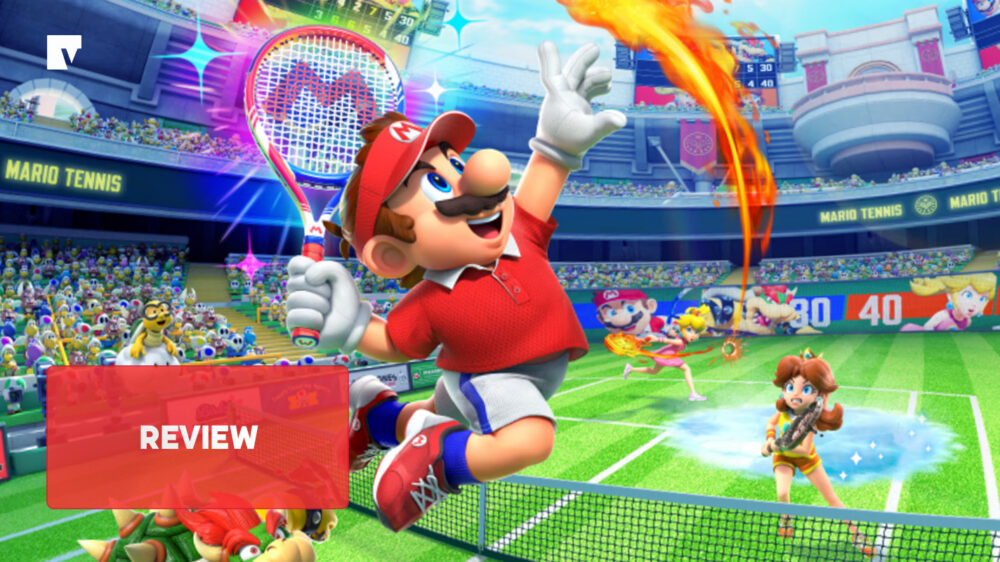
When Mario Tennis Aces came along, it hadn’t been that long since the previous Mario Tennis title, but it had been a very long time since we’d had a Mario Tennis game with a story mode. The story mode in Aces wasn’t really what people wanted, but it also wasn’t especially offensive either, just very simple.
Now Camelot have really dialled in on that idea… and honestly, we might as well get the bad stuff out of the way first. The Adventure mode in Mario Tennis Fever is really not good at all — unless you’ve never played Mario Tennis game ever. Thankfully, Adventure mode isn’t the entire game. The rest of the game, especially the presentation, is fantastic. It’s just that if you’re here primarily for the Adventure mode, then yeah, prepare for disappointment.
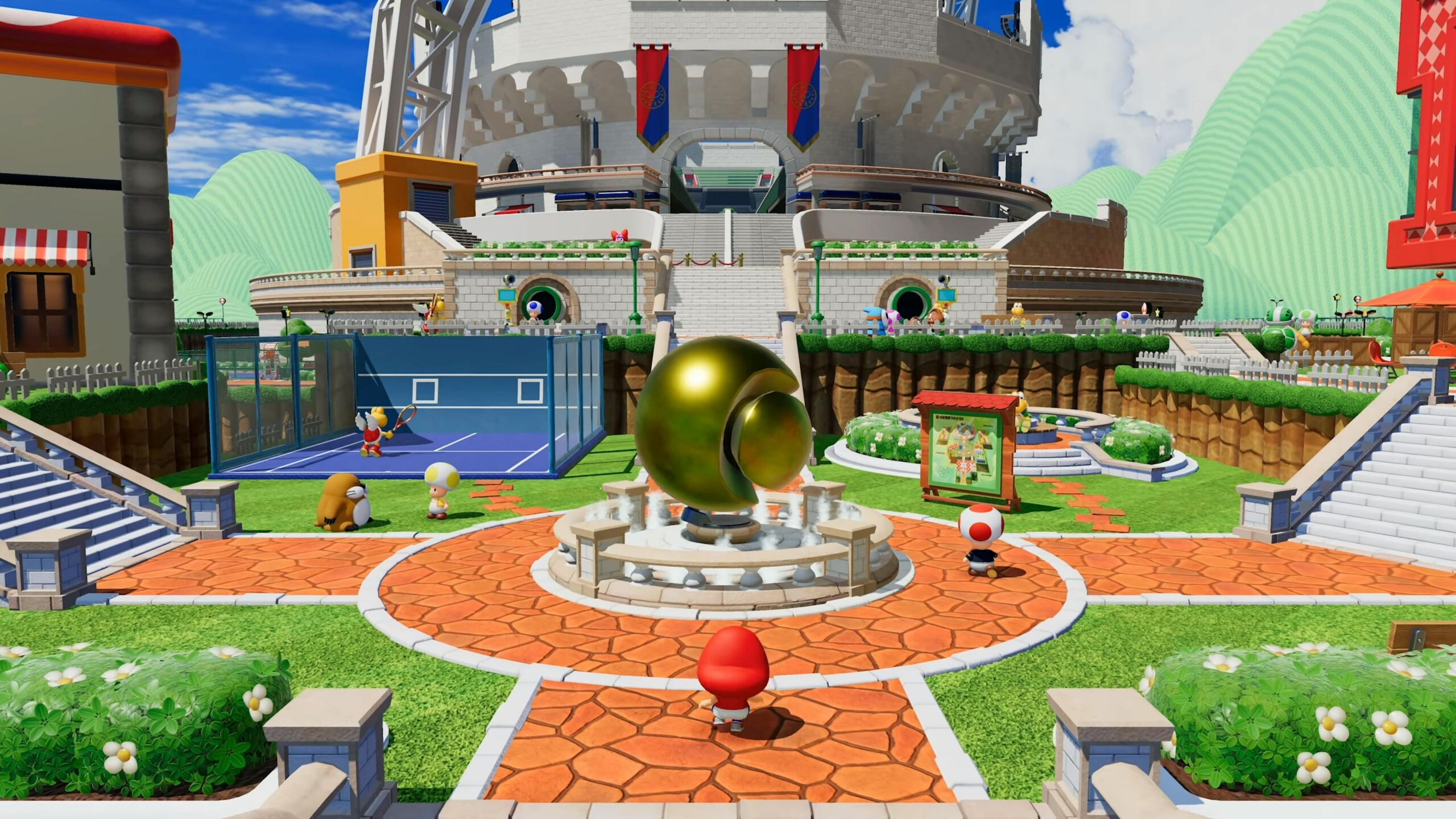
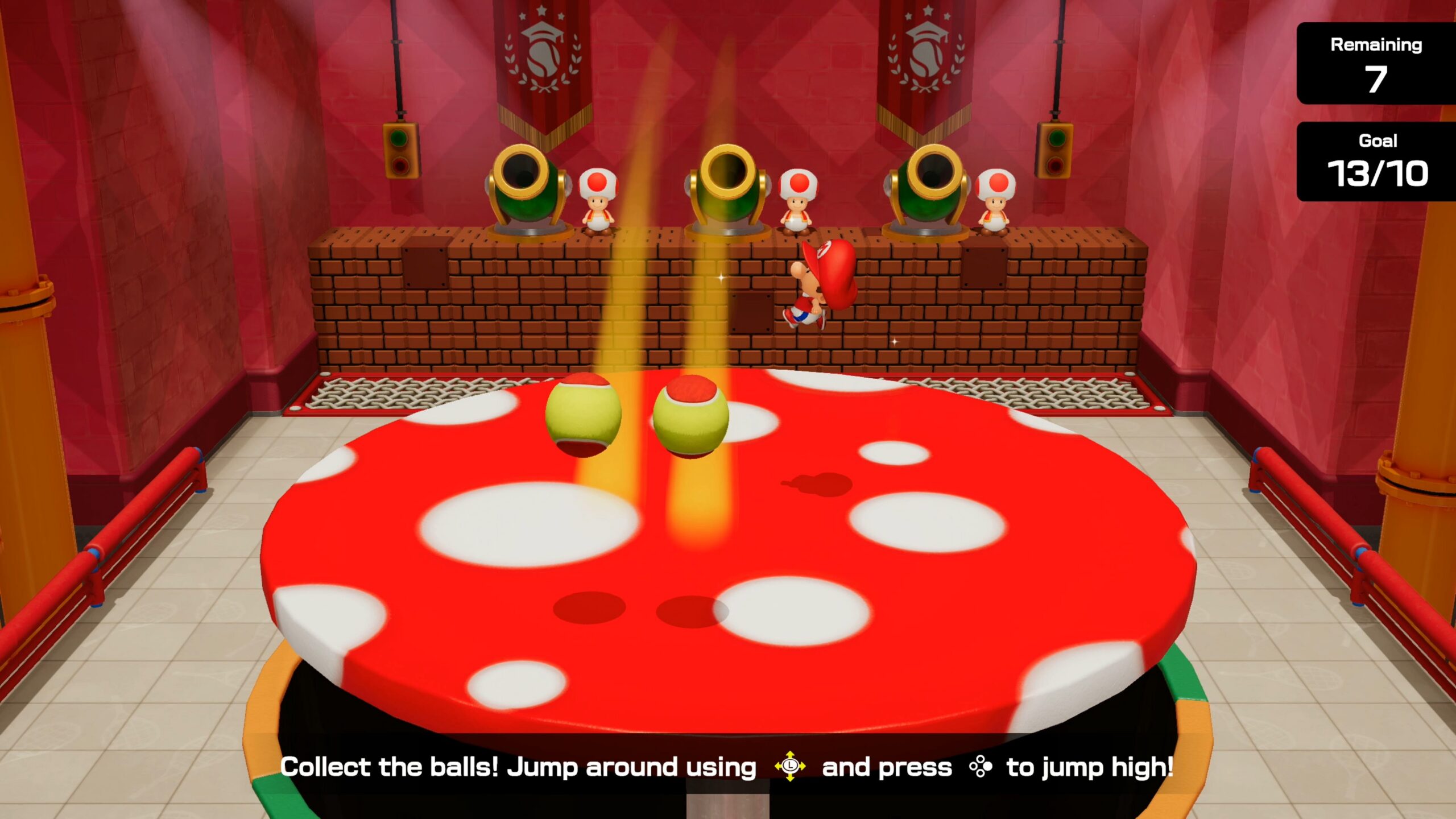
Mario Tennis Fever opens with a quick tutorial and you’d think you’d be set loose, right? If you choose Adventure mode, though, you’ll be playing even more tutorial content, as the first couple of hours are an almost painful example of how not to do a tutorial in a game. The Mushroom Tennis Academy serves as the hub for these early hours. You’ll walk to a location in the academy, play a loosely related Mario Party-esque minigame that’s meant to tie into the type of shot you’re learning, then head back to the main area to talk to a Toad. After that, you’ll practise the new shot, play against that same Toad (who is conveniently tuned to highlight that shot), and then repeat the process over and over. This loop continues for the initial hours as you walk from one area to another, and eventually “graduate”.
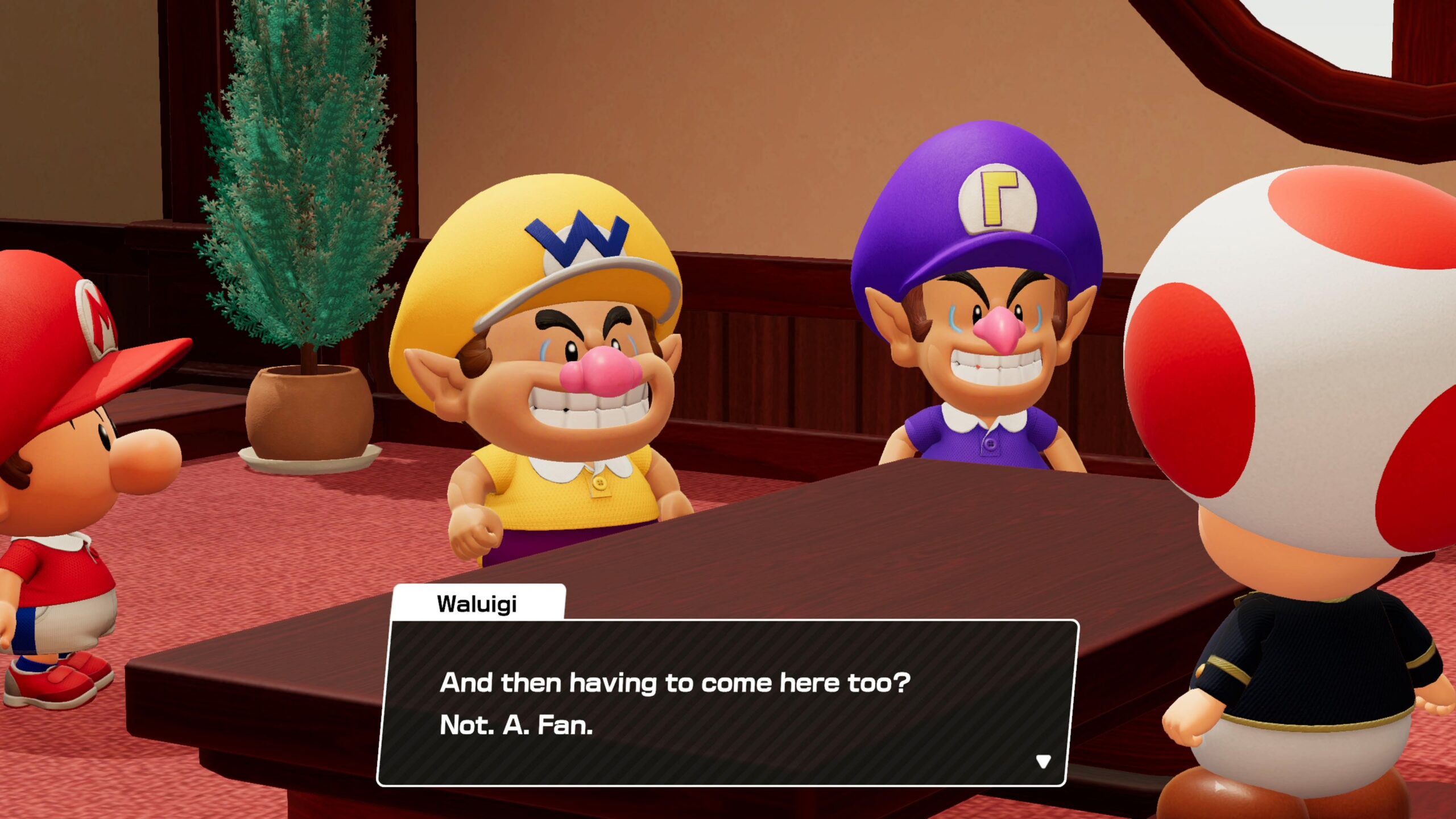
At one point, when I reached the highest rank at the Academy, I thought, “Oh good, it’s over.” But instead, you’re unleashed onto a map where you can walk around ruins, limestone caves, or a forest and finally start following the story. Progress is blocked by mini-bosses, Wario and Waluigi, who have also been turned into babies, and you’ll have to play tennis against them to continue.
Oh yeah, the story, there is one! Mario, Luigi, and friends are turned into baby versions of themselves, which reduces all of their stats to almost nothing. As you progress through the Academy and the story, you gradually earn those stats back. You don’t get to choose how this happens; upgrades are simply handed to you, your different attributes assigned automatically and they don’t seem to have much real impact on how you actually play.
I managed to finish the entire Adventure mode in under four hours, with the first two spent almost entirely in the Academy’s tutorial content. There are no side quests, NPCs say very little that’s worth pressing A for, and it doesn’t even do a particularly good job of showing off what’s new in the game. The Fever Rackets are demoed, but there’s barely any variation in the actual tennis you play during the journey, you will hit your ball against an enemy and whittle down their HP, and you’ll love it.
The great news is that if you have absolutely no inclination to play the Adventure mode and just want to play some tennis with Mario and the wide array of characters on offer here, then you’re in luck, because the rest of the game is very good, even if it is a little familiar. Look, there’s not too much you can do with Mario Tennis at this point other than go a bit silly with modes and ideas, and that is present here, just not in huge quantity.
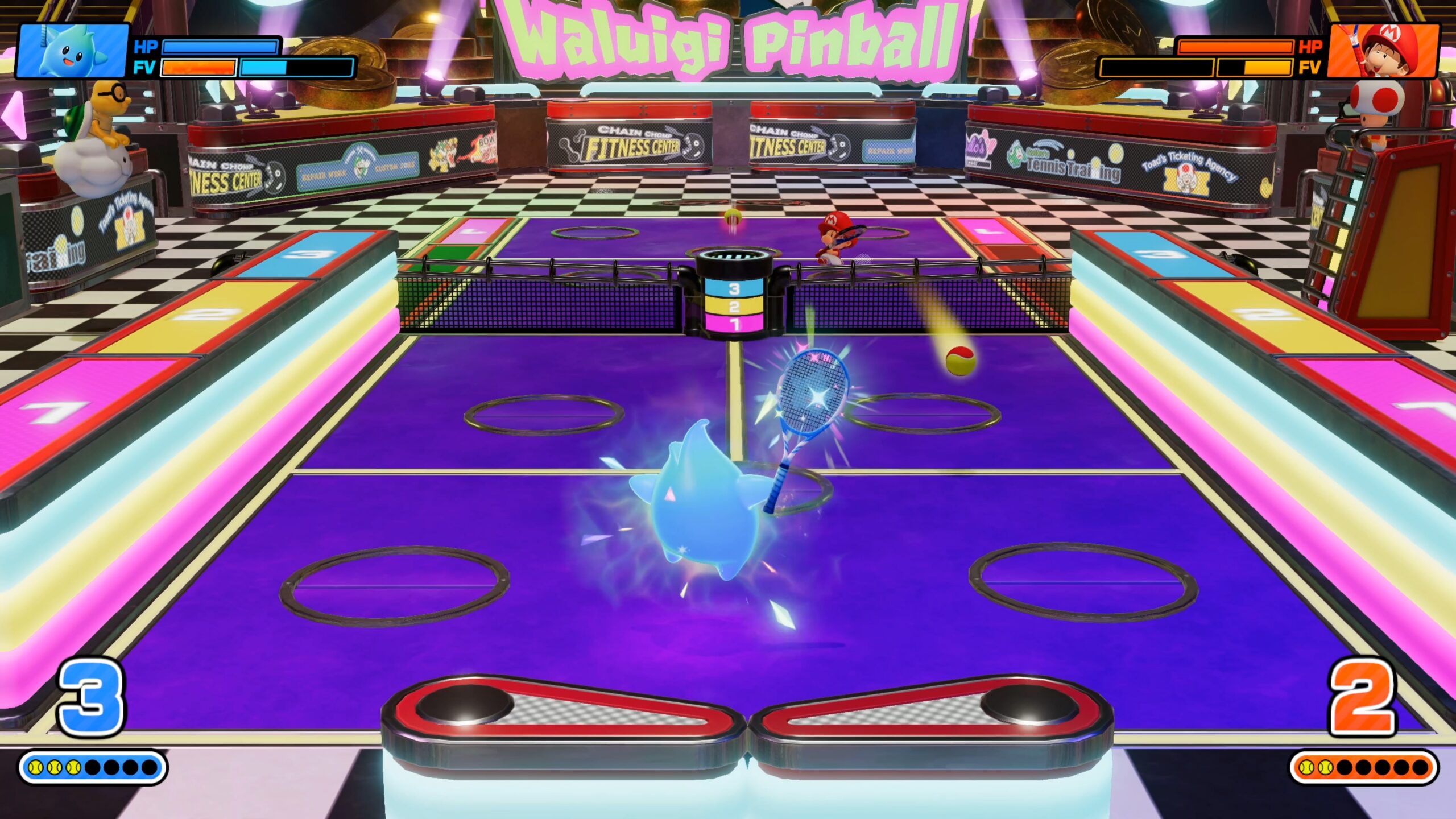
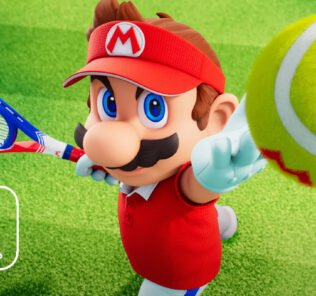
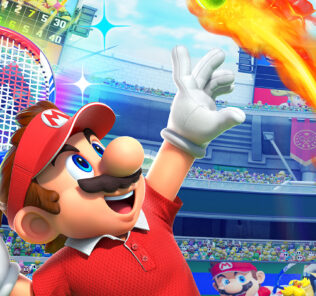
The new hook for the entire game, and the one right there in the title, is the addition of Fever Rackets. This is a fun addition and adds some Mario-style mayhem to what would otherwise be regular tennis. Rackets are unlocked as you progress through the game’s story and simply by playing, and you can keep track of all of this in the game’s menu. You can see what is required to unlock almost everything, no guessing required.
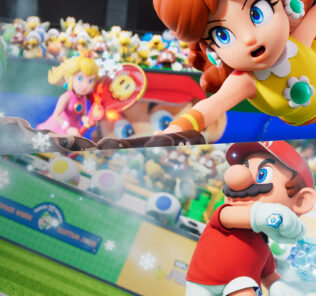
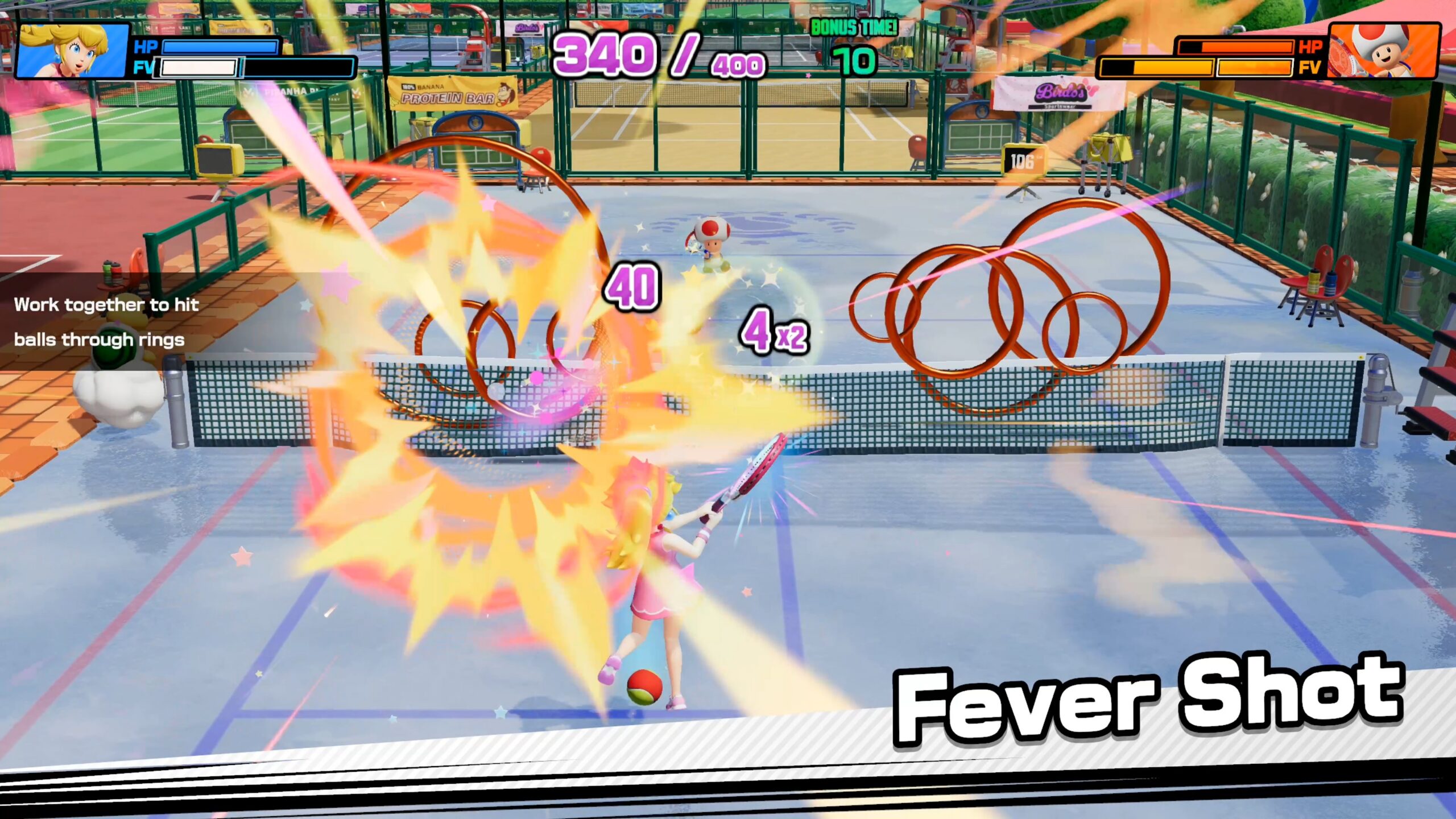
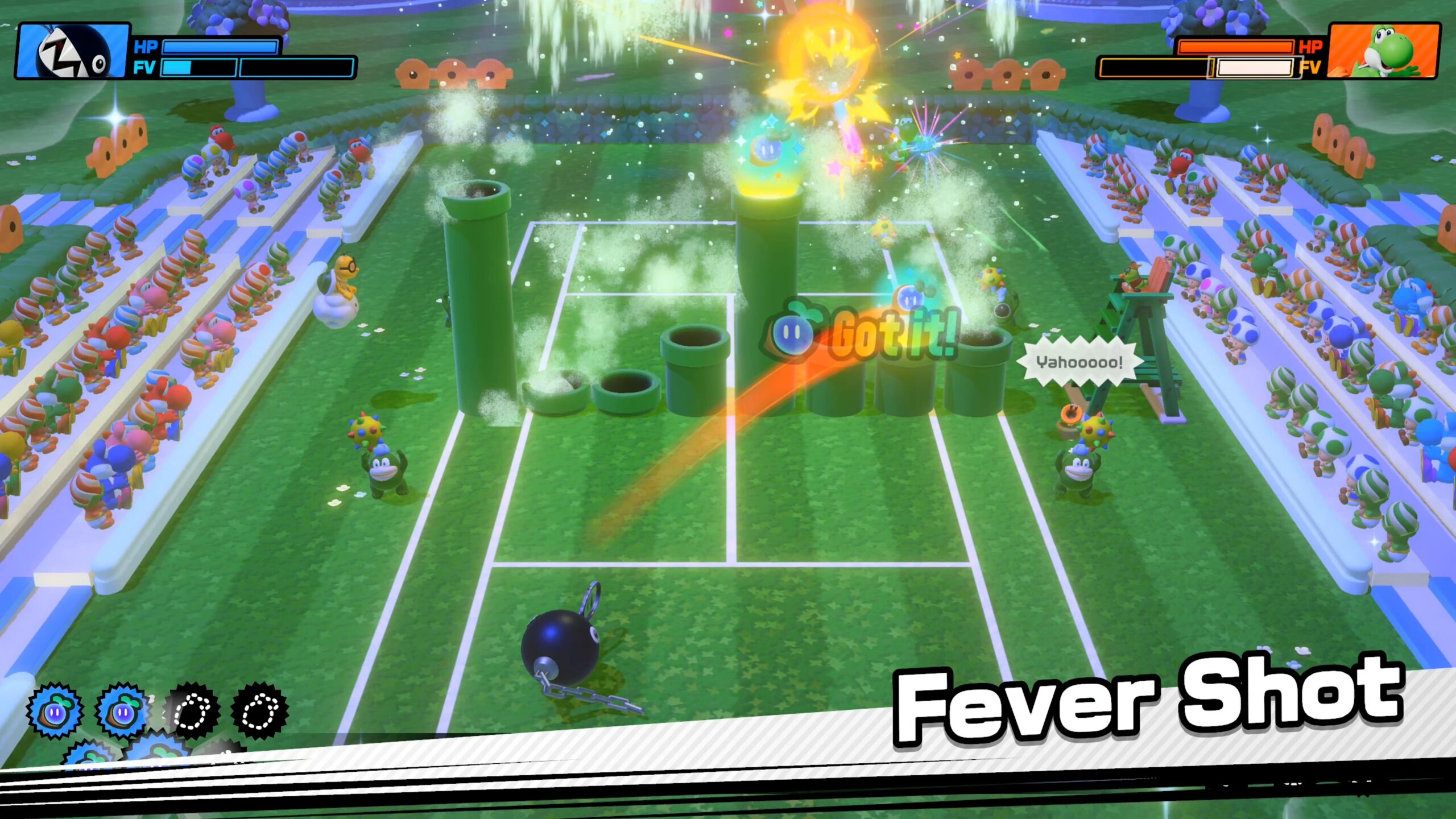
Fever Rackets are triggered by hitting a Fever Shot when your Fever meter is filled. If the shot lands, the racket’s effect is applied to your opponent unless they successfully counter it and you fail to hit the return. Some racket effects cannot be blocked at all, meaning they will affect you no matter what. If you do not manage to counter, you could be hit with a court full of Mini Mushrooms, sludge, fireballs, and other modifiers. It gets especially intense in doubles, as you are not only contending with playing tennis but also dodging things flying all over the court.
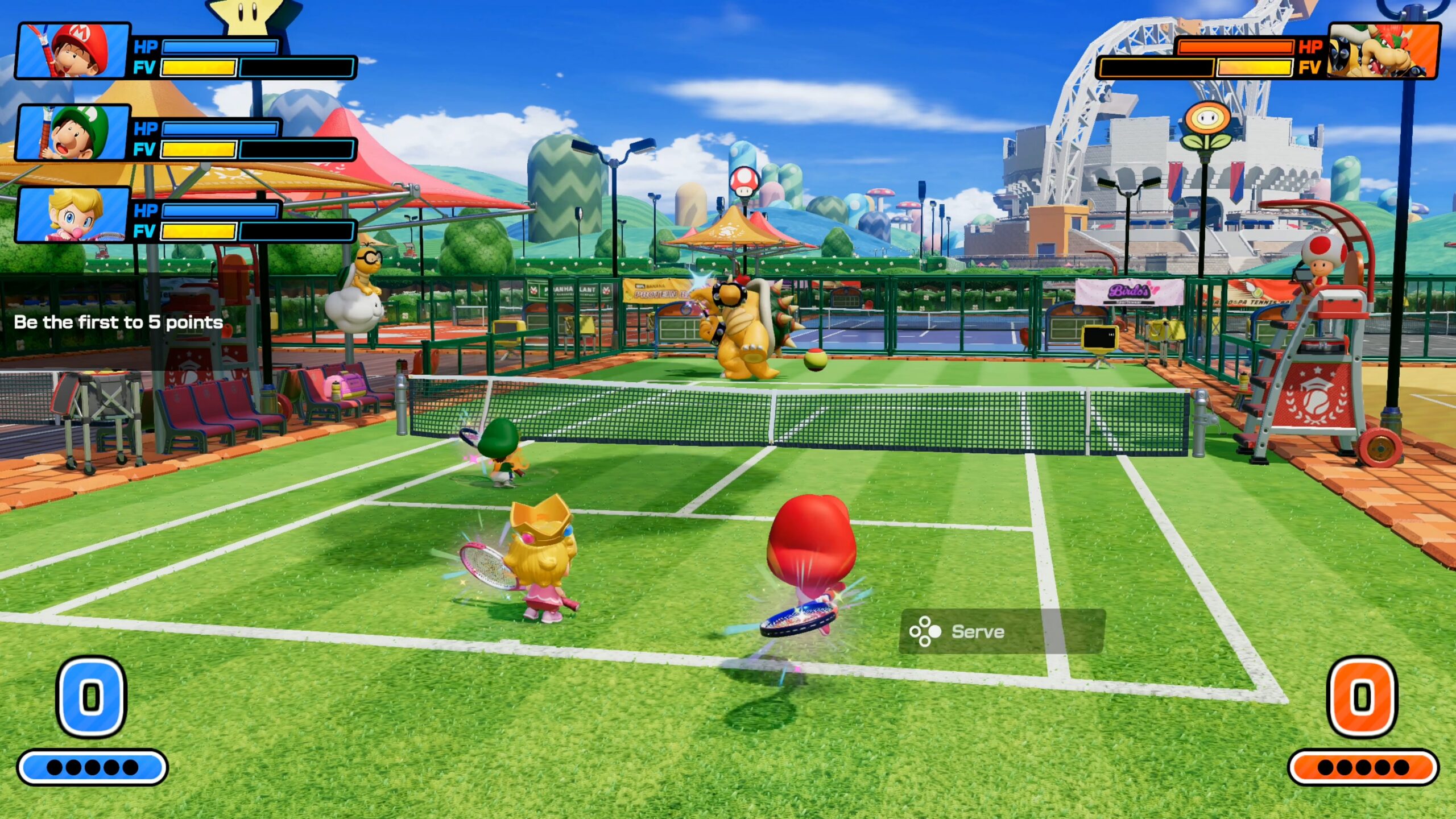
Fever also introduces health bars into the mix. If you get hit enough times by Fever Racket effects, you or your partner in doubles can be taken out of the match and put on a cooldown. Some Fever Rackets work better with certain characters than others. For example, duplicating a larger Donkey Kong or Bowser with the Shadow Racket makes covering the court with these slower characters much easier, whereas more nimble characters can more easily avoid mud or molten slag effects on the court.
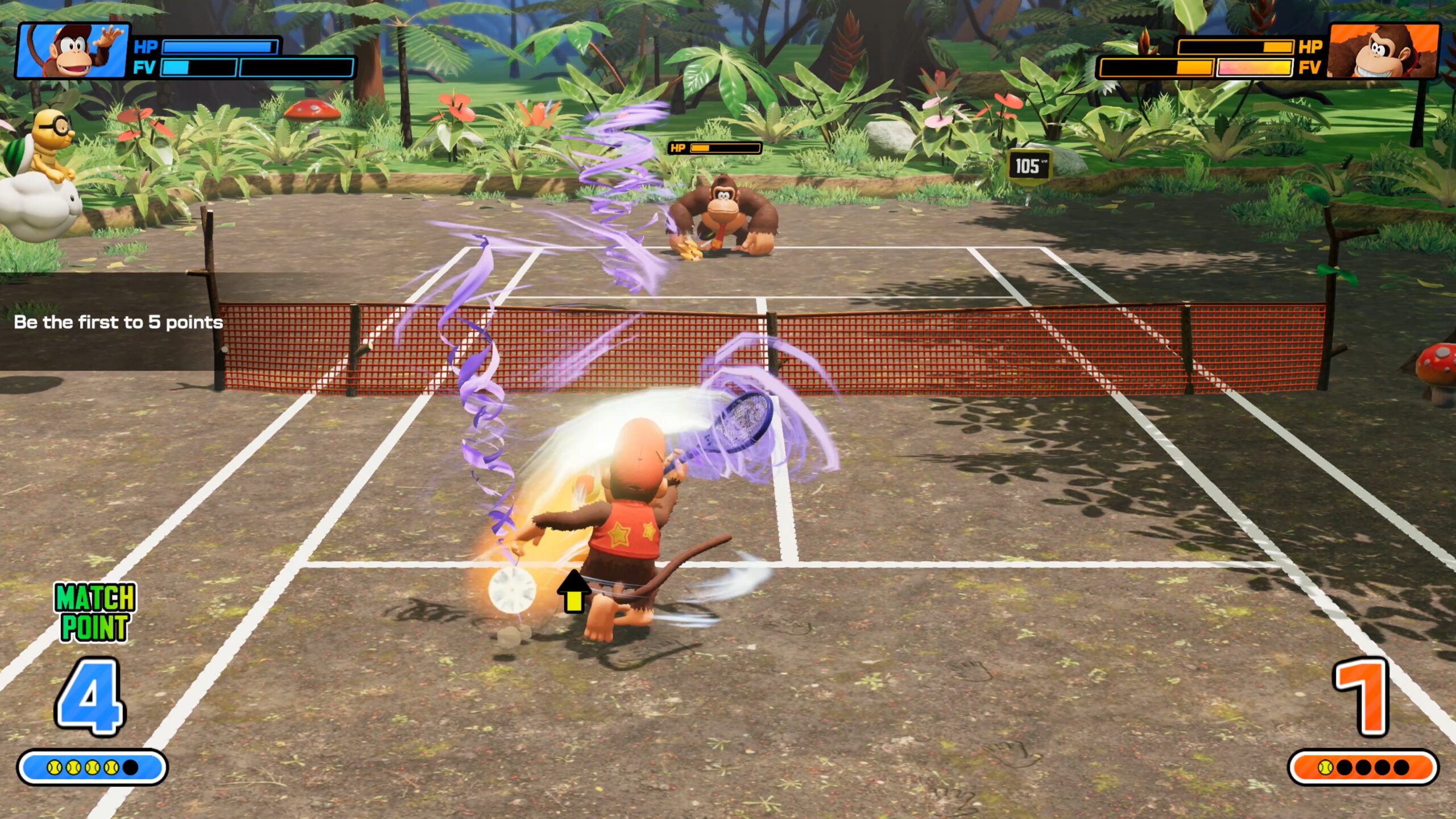
Not only are there all these different Fever Rackets to mix up the gameplay, but there are also 38 playable characters on the roster. Each character has their own stats, and some even have special abilities on top of that. Donkey Kong has an extra-strong slice, Waluigi has an extra-strong flat shot, and other characters charge their shots faster than others. It is up to you to figure out which character and racket combinations work best, not just for your own playstyle, but also within the game’s meta.
Alongside the regular Tournament modes, which see you progress through a series of matches to come out on top, there is another mode worth tackling: the Trial Towers. These towers feature a different challenge on each floor and must be completed in a single run. You only have three attempts, otherwise you start again. This is where some of the less traditional tennis ideas really come into play, and where the variety starts to open up. I just wish there were more towers included or that the ideas could be done with more than just one other player.
The Special Match modes are a lot of fun as well. There’s the classic Ring Shot mode, where hitting balls through rings earns you points, and it is not just about being good at tennis. Forest Court features Piranha Plants popping out of the court and getting in the way, swallowing balls as they go.
The last three modes are the best, though. Pinball Match turns the court into a pinball playfield, with balls and players bouncing off bumpers. You can even trigger multiball, which automatically makes any sport better. The chaos that ensues will be frustrating for some, but for everyone else it is pure fun. Racket Factory Matches also lean into the randomness by swapping out Fever rackets mid-match. The final mode is Wonder Court, and I would have loved to see more Wonder-style ideas spread throughout the game. More transformations would have been great, but they are all contained here in this single mode. Still, it is always a good day when there are Piranha Plants on Parade.
Swing Mode for motion controls returns, but it is actually a little downgraded compared to Mario Tennis Aces. In that game, there were rally competitions and giant tennis ball modes that were exclusive to swing controls. I could not find them here, so this time around it is just basic Fever tennis.
At this point, I’d like to talk about the online side of the game, but no matter how many times I waited, hoping someone else with a review code would pop online, it just did not happen. Once the game launches, we will have our full thoughts on the online experience, including whether online tournaments are back or not.
Mario Tennis Fever benefits from the addition of GameShare to the repertoire of Nintendo Switch 2 features, and it works exactly as you would expect at this point. I set up a match on my older Nintendo Switch OLED with no issues, and that player got their own viewpoint as well. If you do have someone else locally who owns the game, you can also play without GameShare the old-fashioned way.
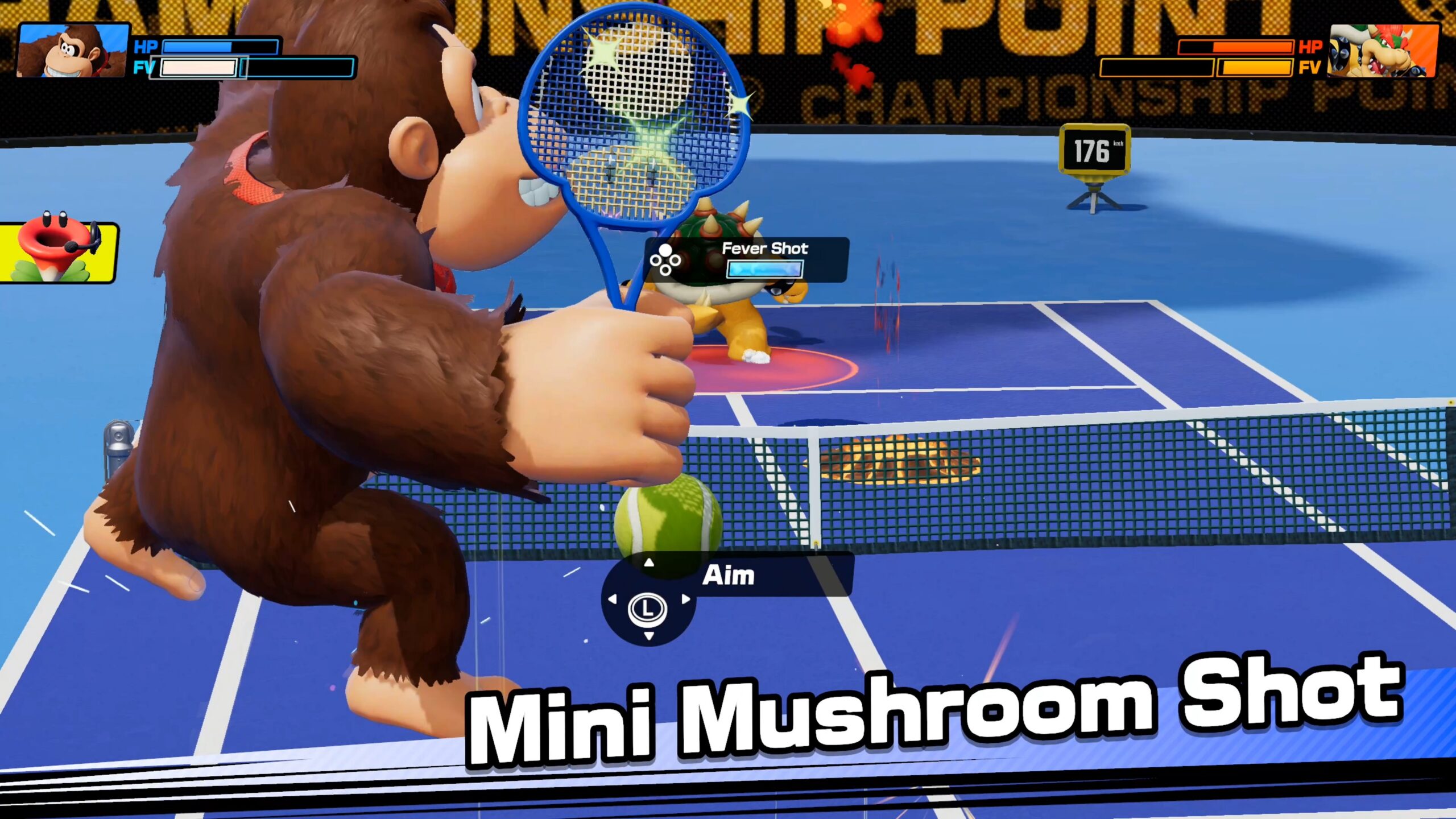
One thing you cannot fault Mario Tennis Fever on is how it looks and performs. It is silky smooth almost the entire way through, and every court is dense with activity, complete with great-looking crowds and massive super screens in the stadium backgrounds. The CGI cutscenes are also on par with something out of the Mario movie, which makes it a shame there are not more of them. Outside of those moments, it is mostly talking heads, much like in Mario Tennis Aces, and there is a lot of dialogue, especially early on in Adventure mode.
The soundtrack sticks closely to the classics, with that familiar Mario Tennis style and its grandiose, royal-sounding themes carrying through matches. The addition of the Talking Flower, on top of the usual announcer, is certainly a choice. It would have been nice to be able to dial him down a bit, although I suppose that is not really a Talking Flower’s thing, is it?
The Adventure mode in Mario Tennis Aces was a long-requested feature, and eight years later I was expecting something more evolved. Instead, I was left disappointed by an Adventure mode that acts as a painful tutorial for almost half of its runtime.
That said, it is only one part of the game, and the rest of Mario Tennis Fever is very enjoyable. The Fever Rackets add a new dimension to the gameplay, and the expanded character roster makes finding the best combinations even more challenging. The side-show modes are the real stars here. More time spent on zany tennis ideas like these, and less on Adventure mode for the next one.
Rating: 3.5/5
+ Fever Rackets and a big character lineup make finding a good combination fun
+ Mix it up modes are nice and fresh
+ Game runs and looks fantastic
+ Cutscenes are The Super Mario Movie level of quality
- Adventure mode, just all of it
- Limited amount of Towers and Tournaments
- The Match Point and Championship Point music has lost its juice