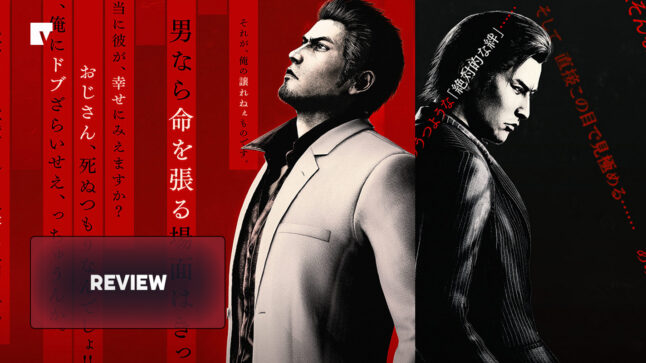

The Yakuza series is in a bit of a weird spot. After a name change to Like a Dragon, the series seemed set to look forward to the future and stop leaning on its past — only to get stuck in between, awkwardly trying to balance a fresh and growing fan base with fans who’ve been around for decades. Yakuza Kiwami 3 & Dark Ties does little to shake this awkwardness, remaking one of the earlier games in the series and exploring untold stories, all while stumbling in its new additions in a clumsy, messy manner.
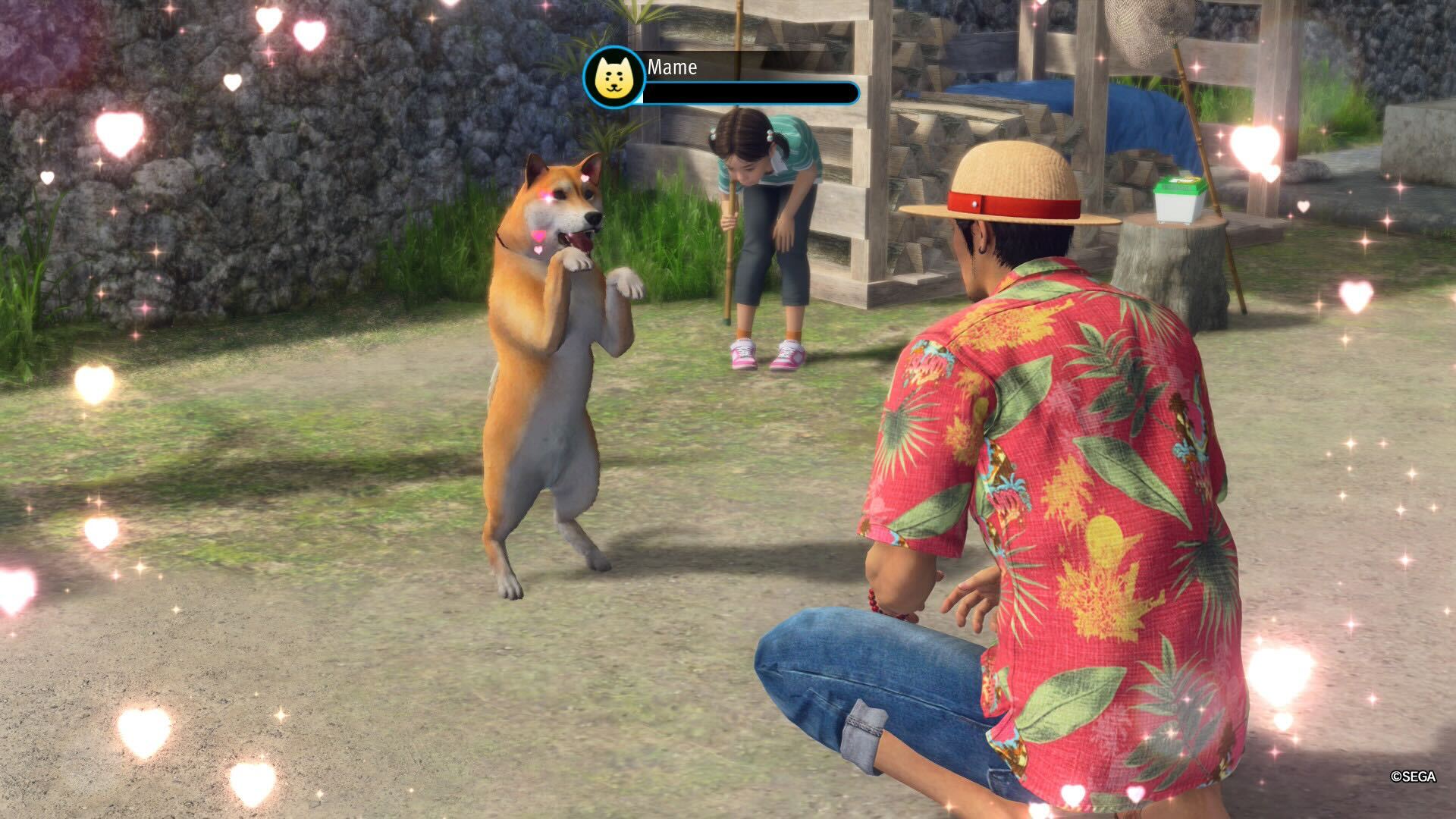
Yakuza Kiwami 3’s main story plays out in a largely identical manner to the original game. Kiryu, having sworn off the yakuza and dedicated his life to raising orphans in Okinawa, is pulled back into the thick of it when the land his orphanage resides on becomes embroiled in two key government-backed projects. One wants to put a military base on the island of Okinawa, the other wants to turn Kiryu’s land into a luxury resort to attract tourist money to the island, and neither can pass without the other.
Kiryu, not wanting to deprive his children of the only home they have, steps in to try and put a stop to it. Daigo, head of the Tojo Clan, gets shot and put into a coma, the local Yakuza leader on Okinawa does too, being the owner of the land, and the land’s deed is stolen, seemingly by Kiryu’s departed father. It’s a convoluted setup, told initially in a way that jumps between different time periods, but it’s the starting point of the series becoming more over-the-top and absurd.
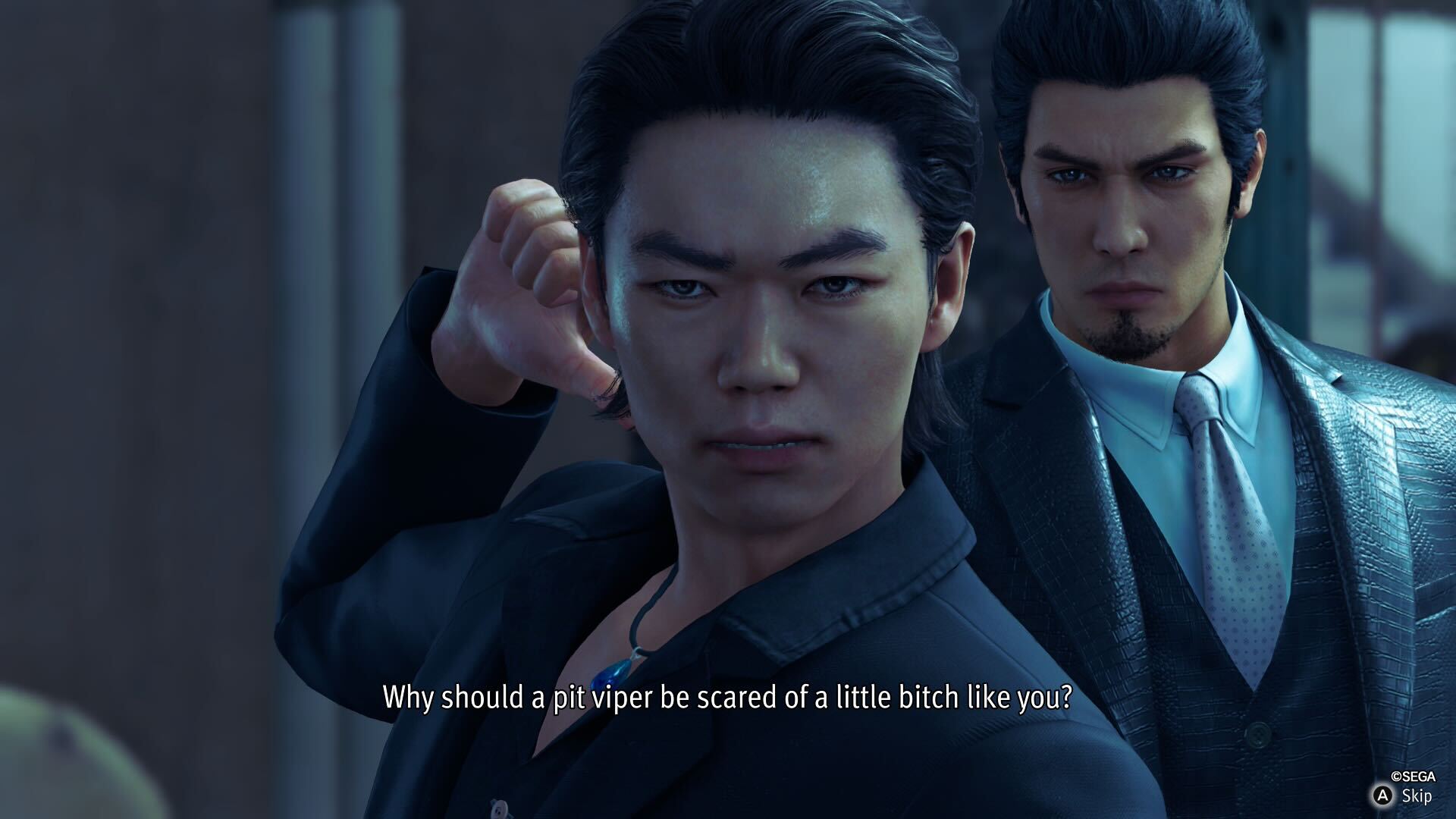
It’s a story that’s filled with fantastic new and returning characters. Kiryu is his usual semi-serious self, and is joined for much of the story by young yakuza captain Rikiya, who’s naive but heartstrong. I absolutely adored Rikiya in Kiwami 3 — he’s a sweet, wonderful character who cares deeply for the people of Okinawa and does anything and everything he can to keep those people safe. He’s been recast and redesigned in Kiwami 3 compared to the original, and while some won’t vibe with the new take, I think he’s a fantastic character, and well-acted, too.
Other recasting decisions are much more questionable. The oppressive and vicious Hamazaki is undoubtedly acted very well here, but in Japanese at least it’s a casting choice that comes with heavy baggage, and one that I’d much rather had not happened. It’s hard to be impressed by the performance of an actor when the actor in question has admitted to awful things — and there is no shortage of fantastic actors who could have filled the role instead.
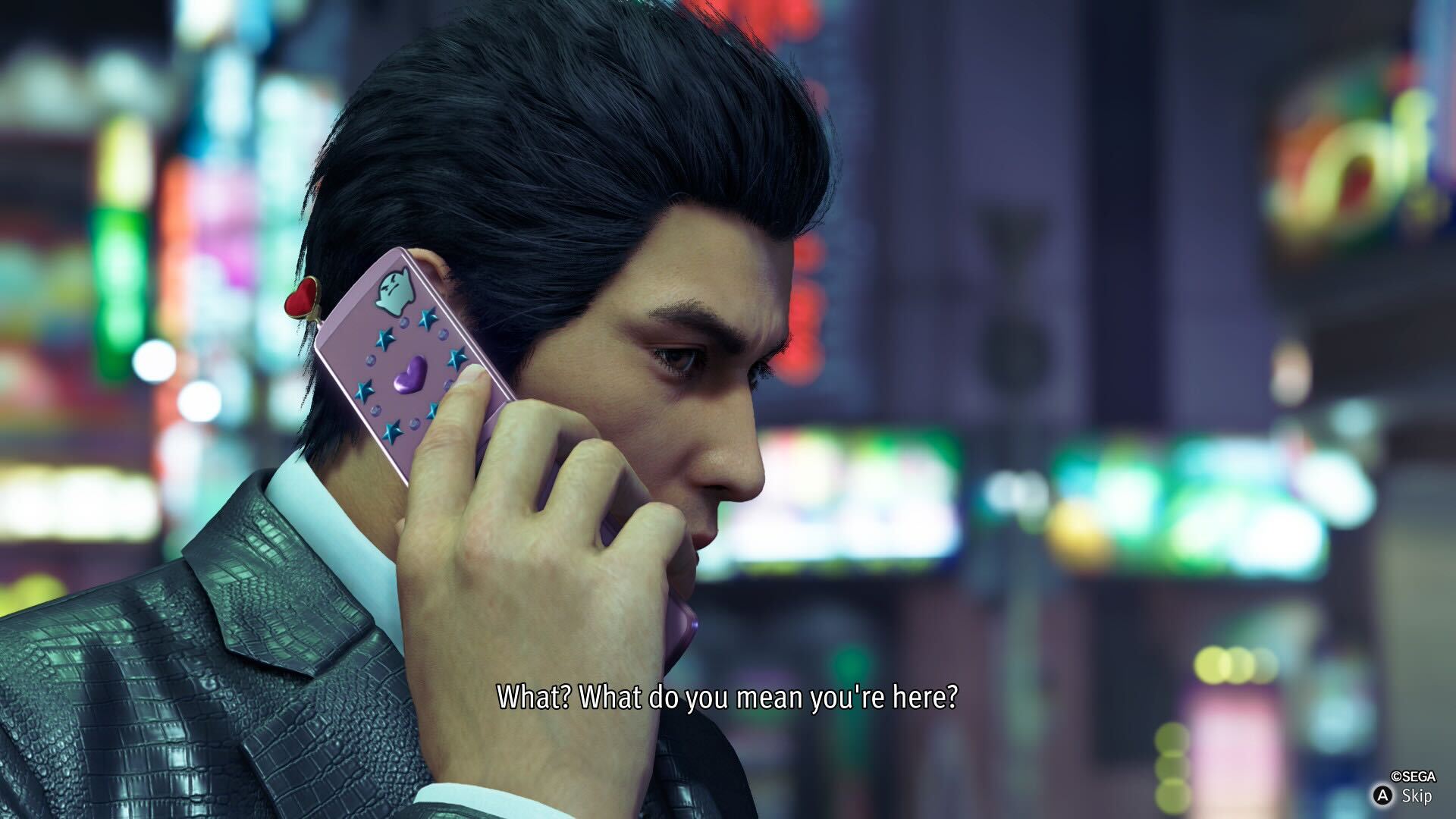
What makes these casting decisions even more questionable is the stiff performance capture that accompanies them. I haven’t played the original Yakuza 3 myself, but since finishing Kiwami 3 I’ve gone back and watched many of the cutscenes from the original. Rikiya, a character who was originally not modelled after a real-life person, is wonderfully expressive in the original, with almost cartoonish facial animation that was perfectly in-line with his character. In Kiwami 3, it’s a significantly stiffer and more subdued performance. There are small, subtle facial animations that do a lot of heavy lifting to sell the emotion involved, but there’s no denying that it feels lacking, and almost amateurish, at times.
That’s a problem not just with facial animations, but with animations as a whole. While some animations across Kiwami 3 look just fine, others are stiff and lifeless. Yakuza games are made on a small, tight budget, so I understand that polishing every single animation might just not be on the table, but it’s hard not to notice the stiff animation when it pops up. Thankfully, most cutscenes are up to scratch, but in-game animations could do with a little more work.
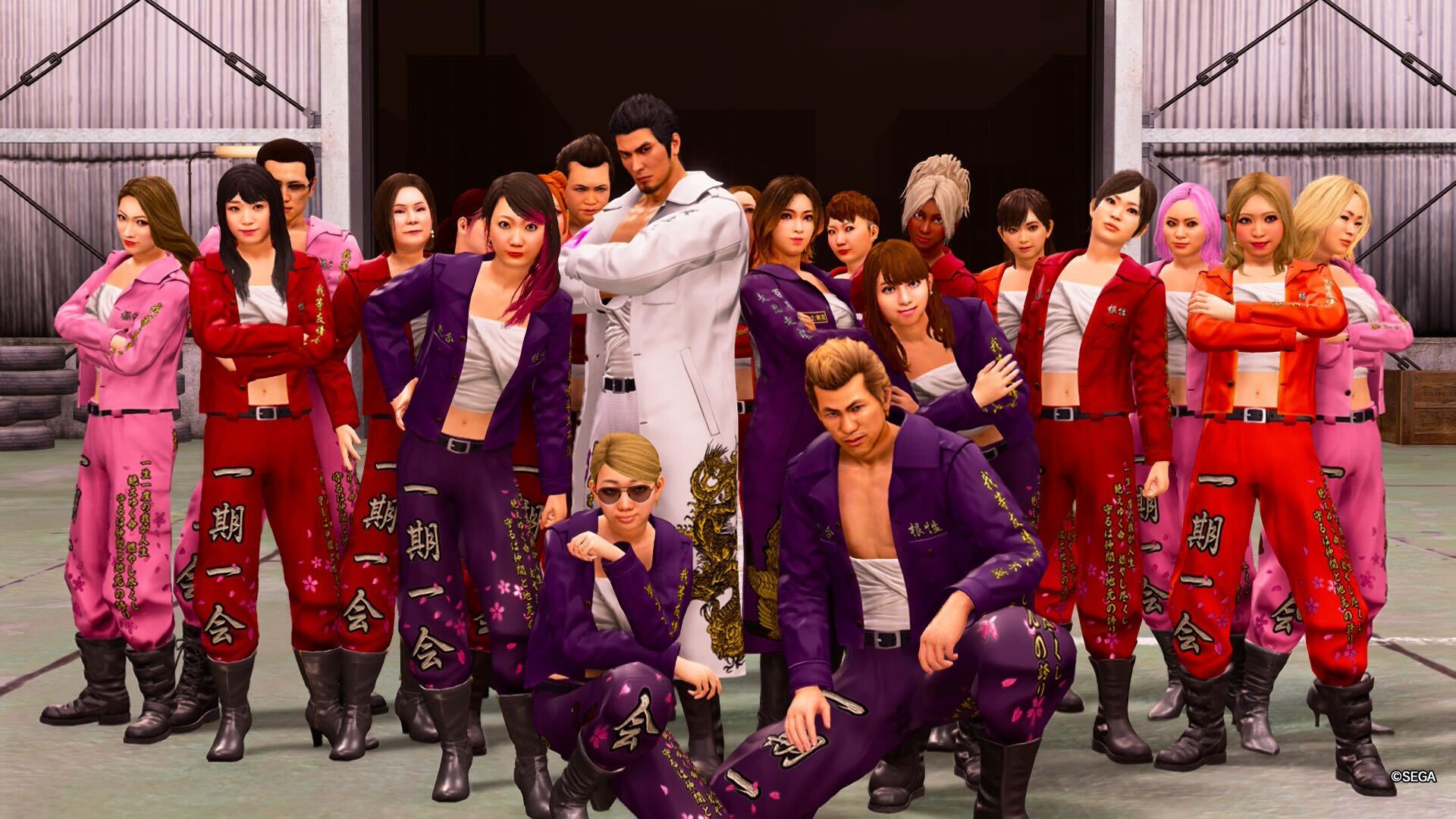
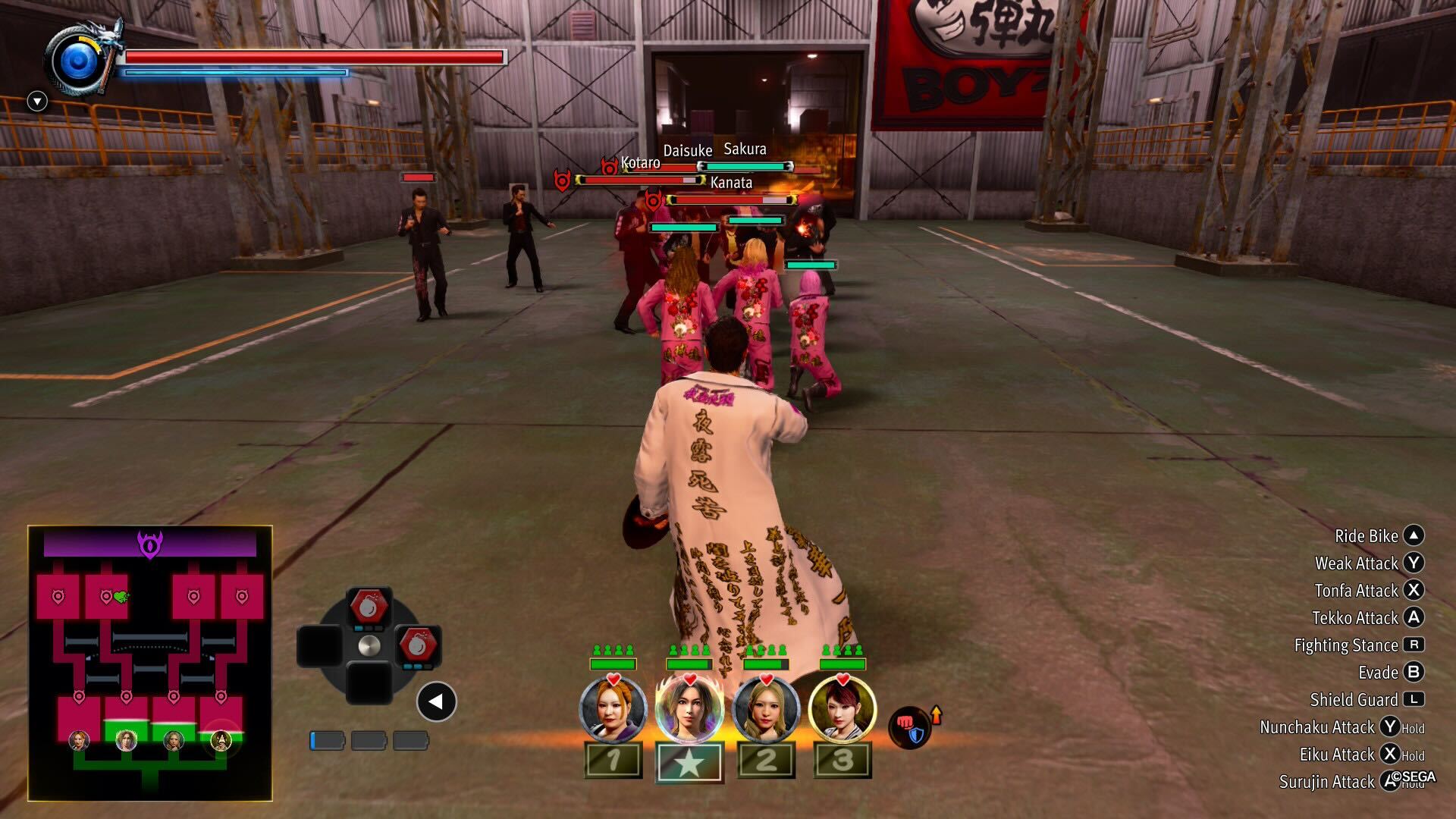
Despite my grievances, I did enjoy Kiwami 3 a lot. The story is wonderfully told and mostly paced well, though some of the new additions do stress the pacing somewhat. For example, partway through the game you’re introduced to the Baddies mechanic, where you lead a girl gang in a series of skirmishes against rival gangs. The story here is fascinating, exploring some of the small-time underworld that exists much closer to the surface than the yakuza — being told through the lens of women, in particular, is a great choice, given how little they appear in the main series in similar roles. But it brings the main story to a halt with a mandatory grind of collecting new gang members, strengthening them, and participating in turf wars. It’s nowhere near as bad as Infinite Wealth’s mandatory hours-long Animal Crossing-like experience, but it does overstay its welcome just a little as a mandatory part of the story.
It’s especially frustrating that that part of the game doesn’t interact with the main story whatsoever. What you do with your Baddies never comes up in the story, save for a small cutscene where the gang’s leader is present – but not particularly important – alongside many others. It’s a bit weird that it doesn’t come into play, too, because this is a remake that changes and introduces many features and story beats, but it feels like RGG Studio was too scared to touch the main story in any meaningful way. We’ll come back to that, though.
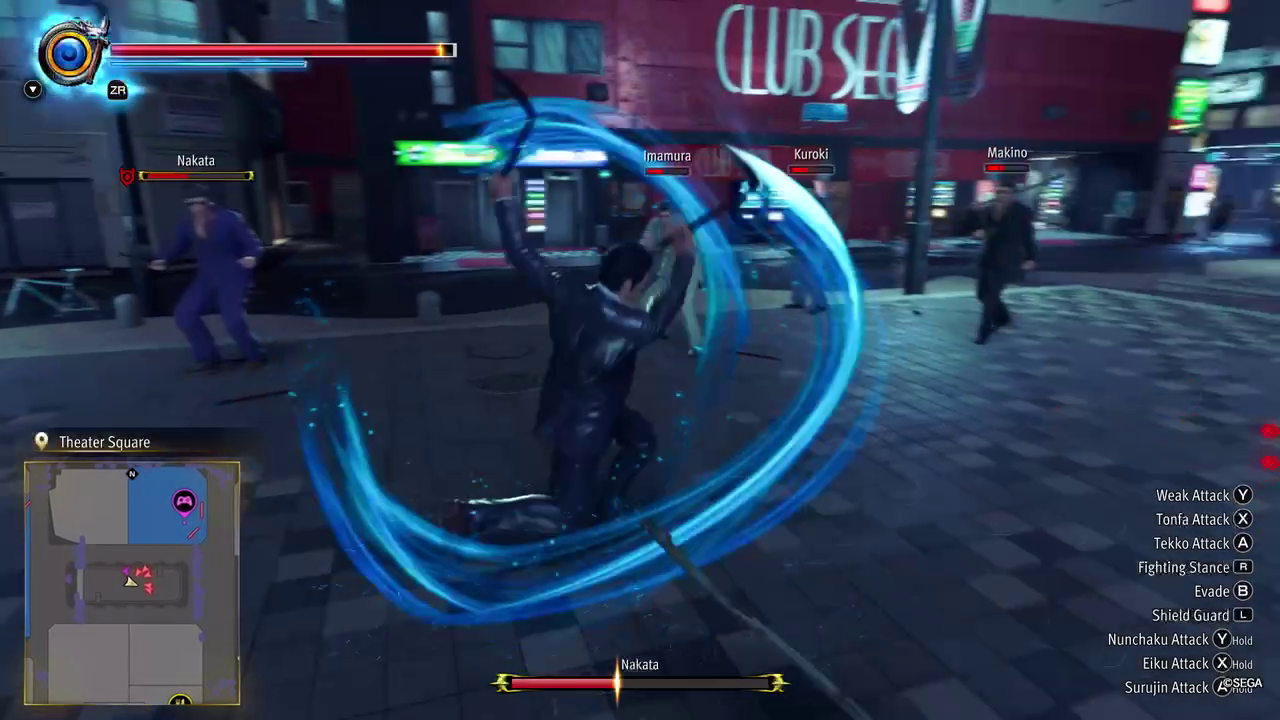
As for the gameplay itself, I have no complaints. RGG Studio has its action combat polished to a mirror finish, and Kiwami 3 is no different. Kiryu gets a whole new style of combat based on Okinawan martial arts, which is a nice new addition, but there’s nothing here that the Yakuza series hasn’t already done exceptionally well since at least 2018’s Judgment. Combat is fast, fluid, and remarkably satisfying at basically every point, and it’s easy to find yourself a nice little combat loop that feels familiar and engaging.
I do think the side activities are somewhat lacking in Kiwami 3 compared to other games in the series, though certainly not in quantity. There are dozens of little minigames, bigger modes like the Baddies, and a lot of side stories, as is tradition. But many are locked off for much of the game — early on you get introduced to the “Daddy Score” mechanic, where you do minigames with the orphans to become a better father. All of these minigames are fun, but it’s not long before you’re whisked away back to Kamurocho and those minigames become unavailable for long stretches of time. By the time you return, the story is at such high stakes that engaging with them feels wrong.
Dark Ties is the more interesting game of the package. Essentially a new “Gaiden” game, Dark Ties sees you stepping into the shoes of Yoshitaka Mine, a high-ranking Tojo Clan family leader. Mine plays a reasonably big role in the main story, but in both the original and in Kiwami his involvement feels underbaked and a little bit rushed.
Dark Ties expands on Mine as a character quite significantly, showing us his rise through the Tojo Clan from lowly grunt to family head. After being fired from a tech startup he founded, Mine stumbles upon an attempted hit on Daigo, the head of the Tojo Clan. During the tousle, half a dozen yakuza men sacrifice themselves to keep Daigo safe, and Mine is completely dumbfounded. He doesn’t understand why anyone would throw their life away for another — in fact he doesn’t understand why anyone would really care for another person at all.
Armed with stacks of cash and a lot of questions, Mine buys his way into the yakuza, pouncing on Kanda, a villain from the main game who was recently released from prison after committing sex crimes, as his ticket in. He wants to find the reason these people would die for somebody, understand brotherhood and family, something he’s never experienced himself.
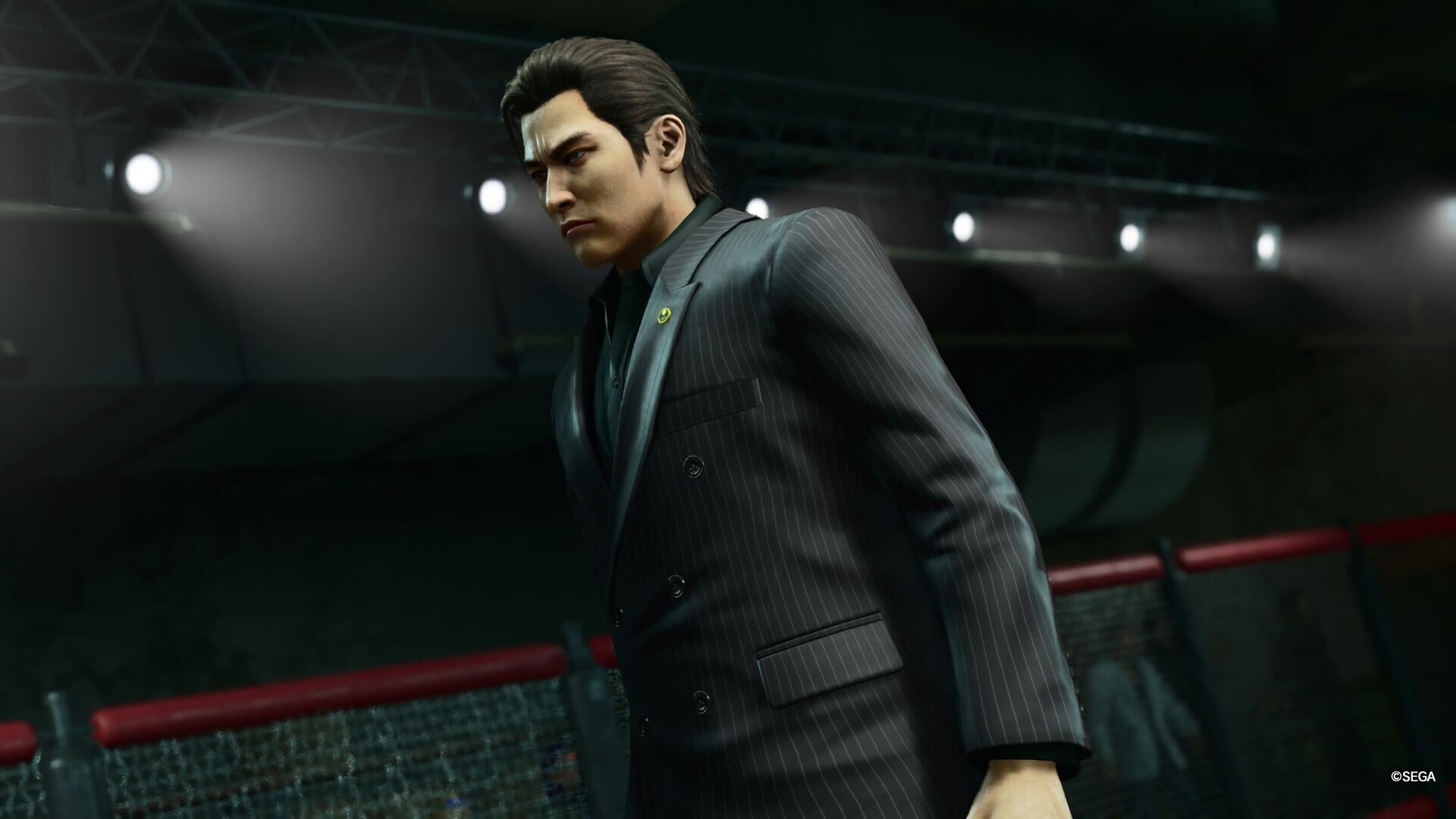
At its core, Dark Ties is actually about Daigo. Daigo is a character that has been very well developed over the years, but it’s been mostly in leaps and bounds. We get to see what Daigo does, but rarely do we get to see who Daigo is after his ascension to the chair of the Tojo. Dark Ties shows us who Daigo really is — he’s a different breed of yakuza, one who cares more about providing for his people, his extended family, than expansion and moneymaking. We see Daigo as somebody who would take a bullet for each and every member of the Tojo, who deeply mourns every loss. It adds a lot of depth to the character, and that aspect is one of the best parts of writing in recent Yakuza history.
It’s weird, then, that it focuses on Mine so much. I get it, he’s got a big fan following and was woefully underdeveloped in the main game… but the added depth here doesn’t do much to change his character. Dark Ties shows us how he gets to where he was in Yakuza 3, but it doesn’t change who he is. It can’t, because he still has to end up being the same largely uninteresting character he was when the main game rolls around.
It’s filled with wildly questionable decisions, too. Having Mine team up with Kanda – because Kanda is easily manipulated and not very bright – to climb through the yakuza ranks makes sense on paper. What doesn’t make sense is then making a half-hearted attempt to somewhat humanise Kanda, even a little bit, to help Mine learn about brotherhood. If it were any other character, it would get a pass, but Kanda of all characters is not the right character to use in this context. He does violently reprehensible things in the main game at almost every opportunity — he’s a complete monster. I’ll give the game some amount of credit in that whatever humanisation of Kanda that takes place is largely undone by the time the credits roll – mostly in service of teaching Mine not to trust so easily – but it’s baffling to me that this was handled the way it was.
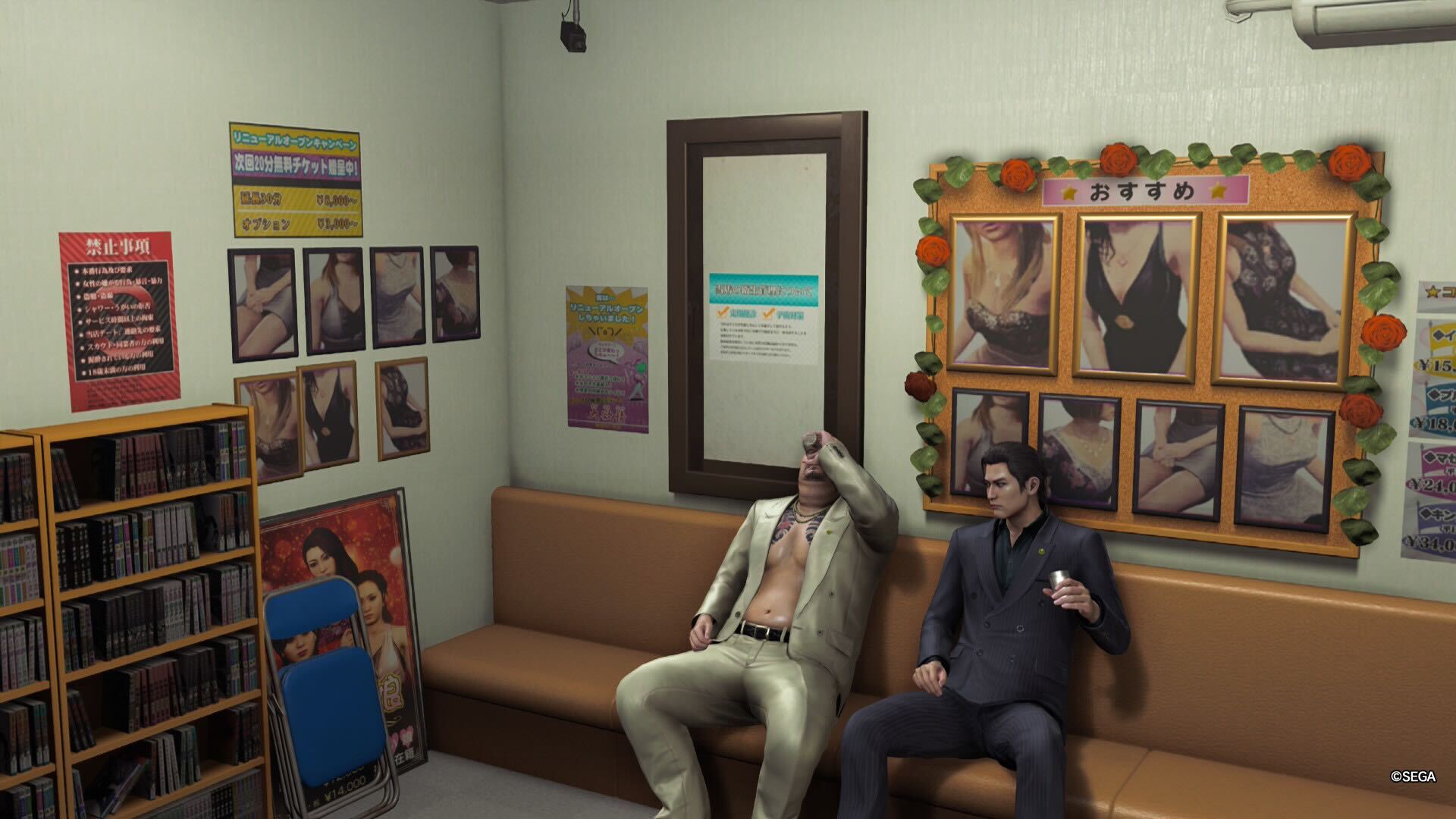
And that brings me to the new story content. I can’t really get too far into it, because it would spoil a lot of things about both games, but I will say that it doesn’t land very well at all. The new content is fairly minimal, as most of the main game plays out exactly the same as in the original, but the few changes and additions that are here are borderline nonsensical. I imagine some of it is probably setting up a future game, be it Kiwami 4 with more changes or something set after Infinite Wealth and Pirate Yakuza in Hawaii, but it massively undercuts not only the themes and storytelling of Yakuza 3 itself, but the series as a whole, too.
It also comes back to that problem I mentioned earlier about being too afraid to change much of the original story. The premise that’s presented in the new story additions isn’t one that I’m inherently opposed to, but it is in stark opposition to the rest of the game. More changes could have been made throughout the story to justify the new content landing where it did — but those changes never happened. Everything plays out largely the same as it used to, but it’s made worse by additions that don’t seem to understand the point of Yakuza 3 in the slightest.
Instead, what we’re left with is a game that’s too afraid to make any major changes to its storytelling, but simultaneously trying to justify its existence as a remake. Something new has to happen, otherwise what’s the point, right? But because there seems to be no desire to change the flow of the story itself, the new additions feel extremely out of place, as if airlifted in from another game and another series entirely. It’s disappointing, because outside of those few new additions, Kiwami 3 is a great game, with a good story that’s told very well. Dark Ties, too, is solid outside of the few previously mentioned questionable moments. But it’s hard to feel too positive about it all when it fumbles the landing so much.
As for presentation and performance on Switch 2, there’s not much to speak of. It runs just fine, mostly keeping at a reasonable frame rate with a few drops in very heavy scenes, and it looks fine too. The textures and lighting stumble somewhat often, with weird, flat scenes in heavy sunlight and some very out-of-place textures that look quite ugly up close, but there are no major issues that we haven’t already seen in Pirate Yakuza and past Kiwami games. Some of these issues are likely down to budget, and others down to the tech stack RGG Studio is working with, so hopefully they get ironed out in bigger budget games in the future. For now, we just have to deal with it looking very slightly dodgy from time to time.
Yakuza Kiwami 3 & Dark Ties is a strangely dissonant game that feels torn between wanting to respect the series’ past and wanting to rewrite it. At its core, it’s a solid game that refreshes Yakuza 3 for modern audiences while keeping mostly true to its origins. It’s the rare instances in which it diverges that everything starts to go off the rails, making for an experience that just doesn’t stick the landing.
Rating: 3.5/5



Comments